Miniapp Examples

These examples are product-shaped applications, not isolated API demos. Start with the problem each miniapp solves, then open its detail page to see how UI placement, scope, storage, permissions, events, host capabilities, and headless runtimes work together.

The integration facts come from each example's package descriptor and actual sdk.* calls. That keeps this gallery focused on what the code uses today.

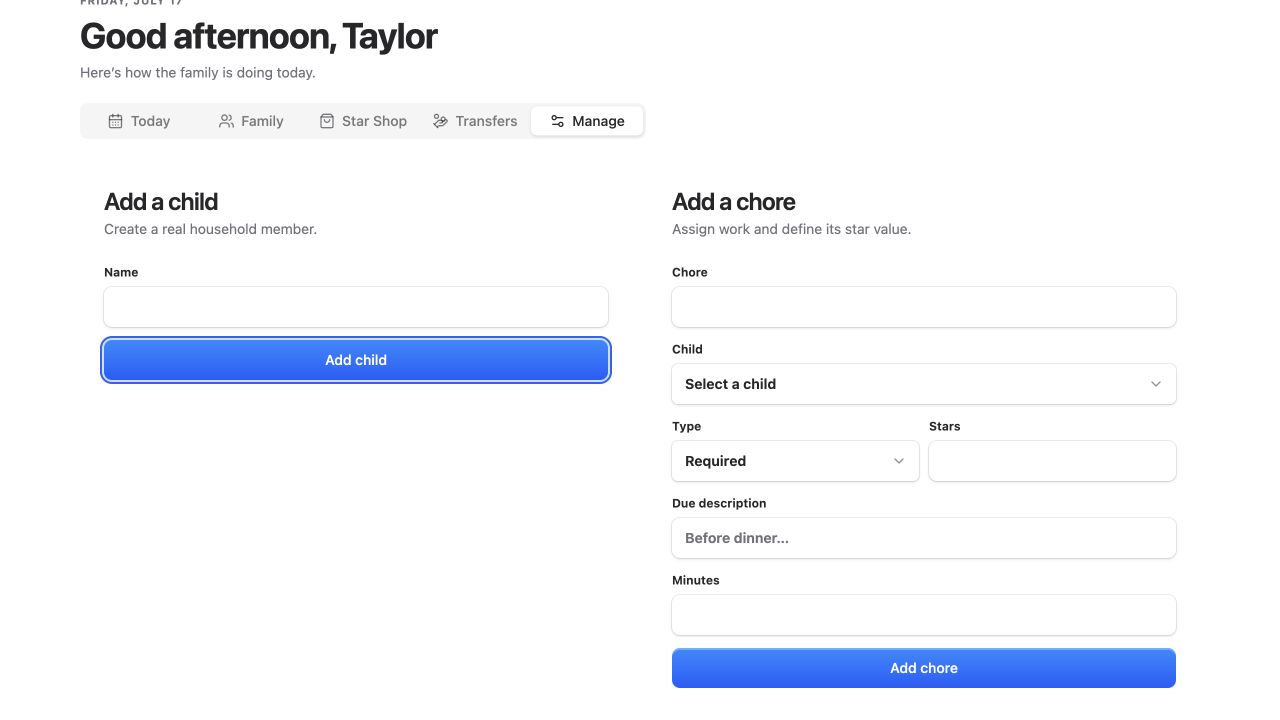
Family Task Board manage view with forms for adding a child and assigning a chore.

Consumer · Workspace

Family Task Board

Give a household one shared place for chores, activities, rewards, and responsibility transfers.

Workspace-left UIRetained storageView and manage authority

Why it exists: It makes TAP's smallest useful surface concrete through a familiar collaborative product.

See the surface walkthrough →
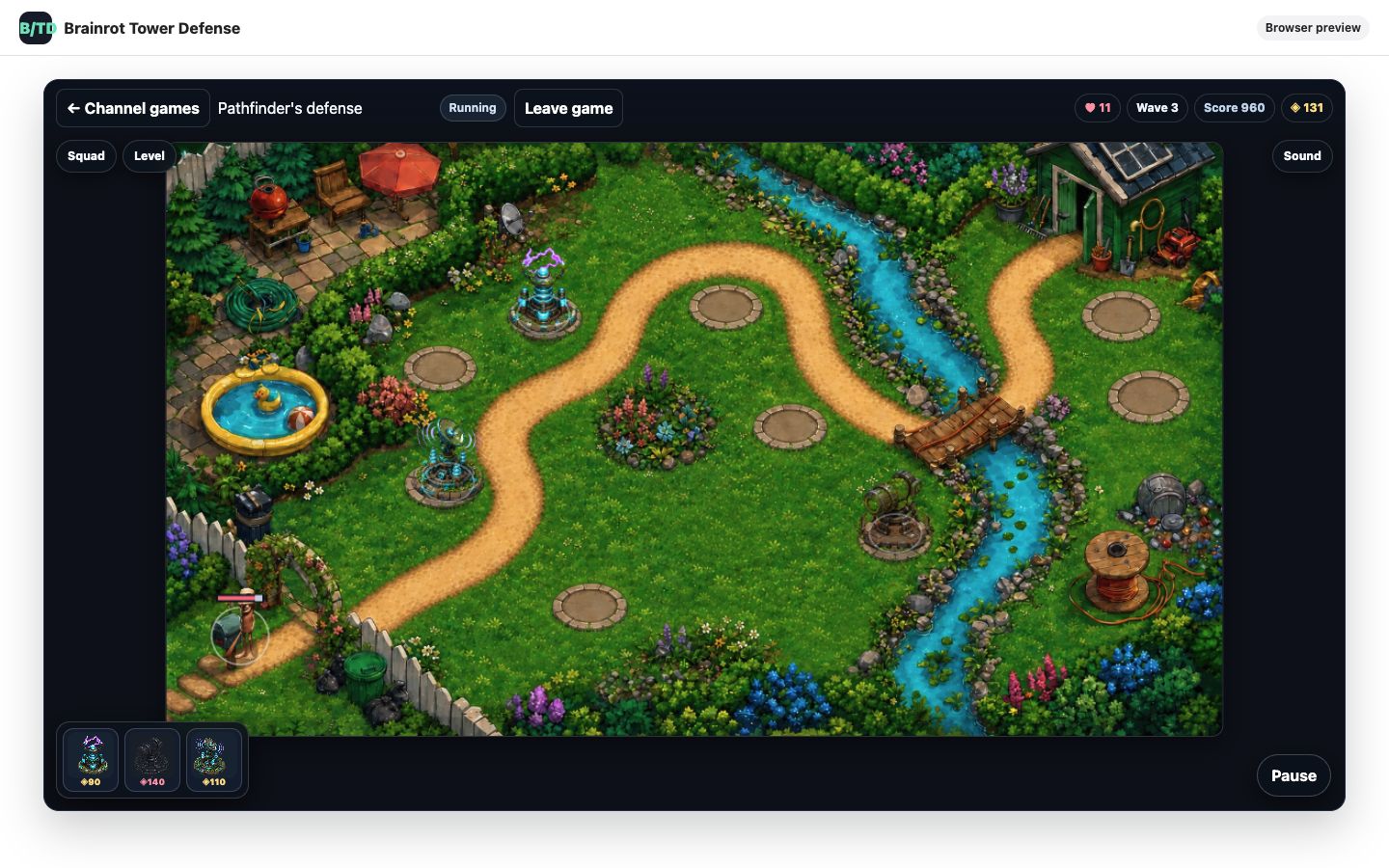
Brainrot Tower Defense running a wave on a garden map with defenses placed along the route.

Consumer · Channel

Brainrot Tower Defense

Run a cooperative tower-defense game inside a channel while publishing durable game milestones.

Chat-right UIPresence and checkpointsQuickJS MCPPublished events

Why it exists: It proves a miniapp can be a real game while specialist-readable state stays governed by the host.

See the surface walkthrough →
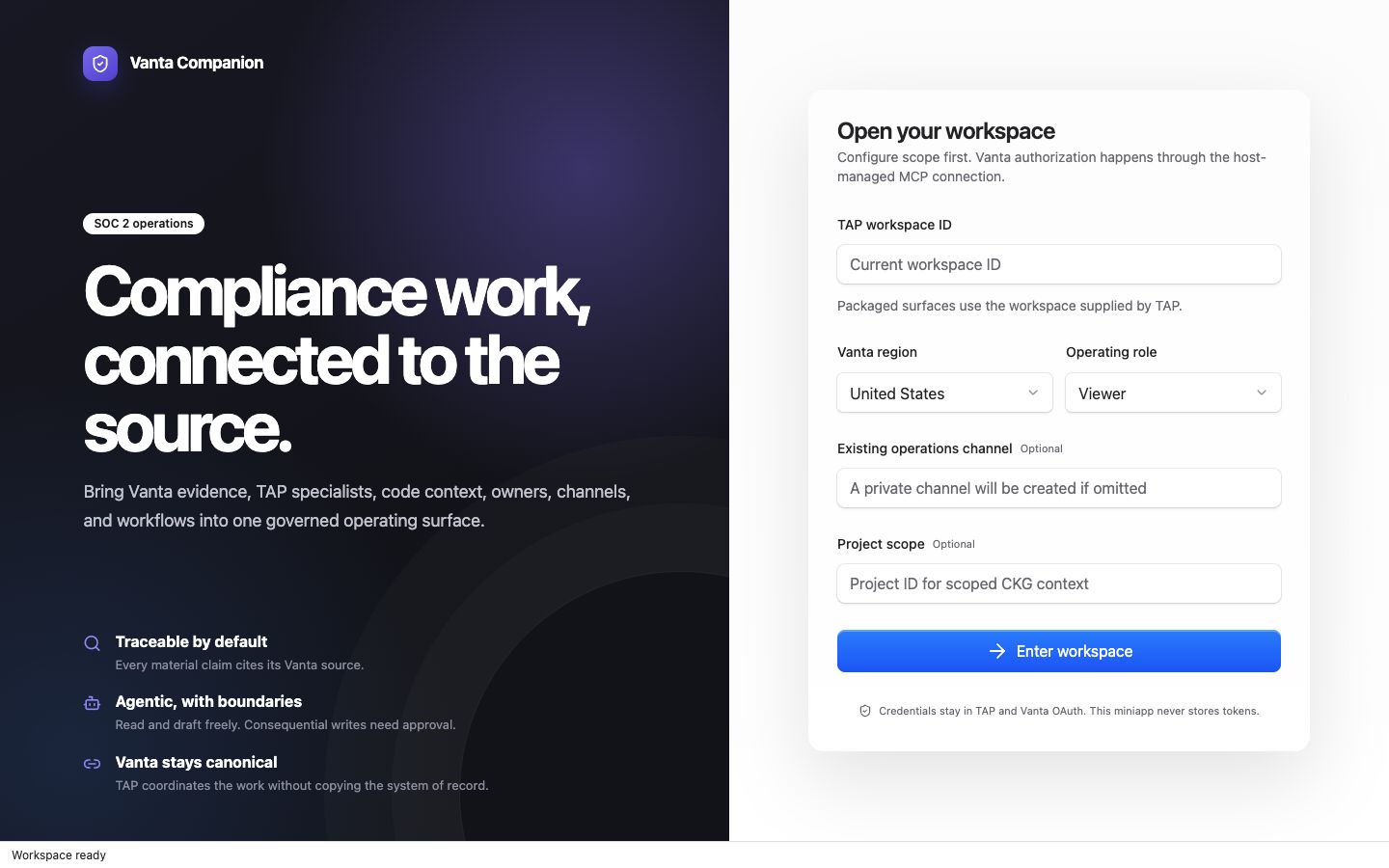
Vanta Companion onboarding view explaining governed compliance work and workspace connection settings.

Enterprise · Workspace

Vanta Companion

Coordinate a SOC 2 program around Vanta records without replacing Vanta as the system of record.

Workspace-left UICredentials and HTTPSpecialistsChannels and workflows

Why it exists: It shows how external systems can remain canonical while TAP coordinates governed work around them.

Explore the integration →
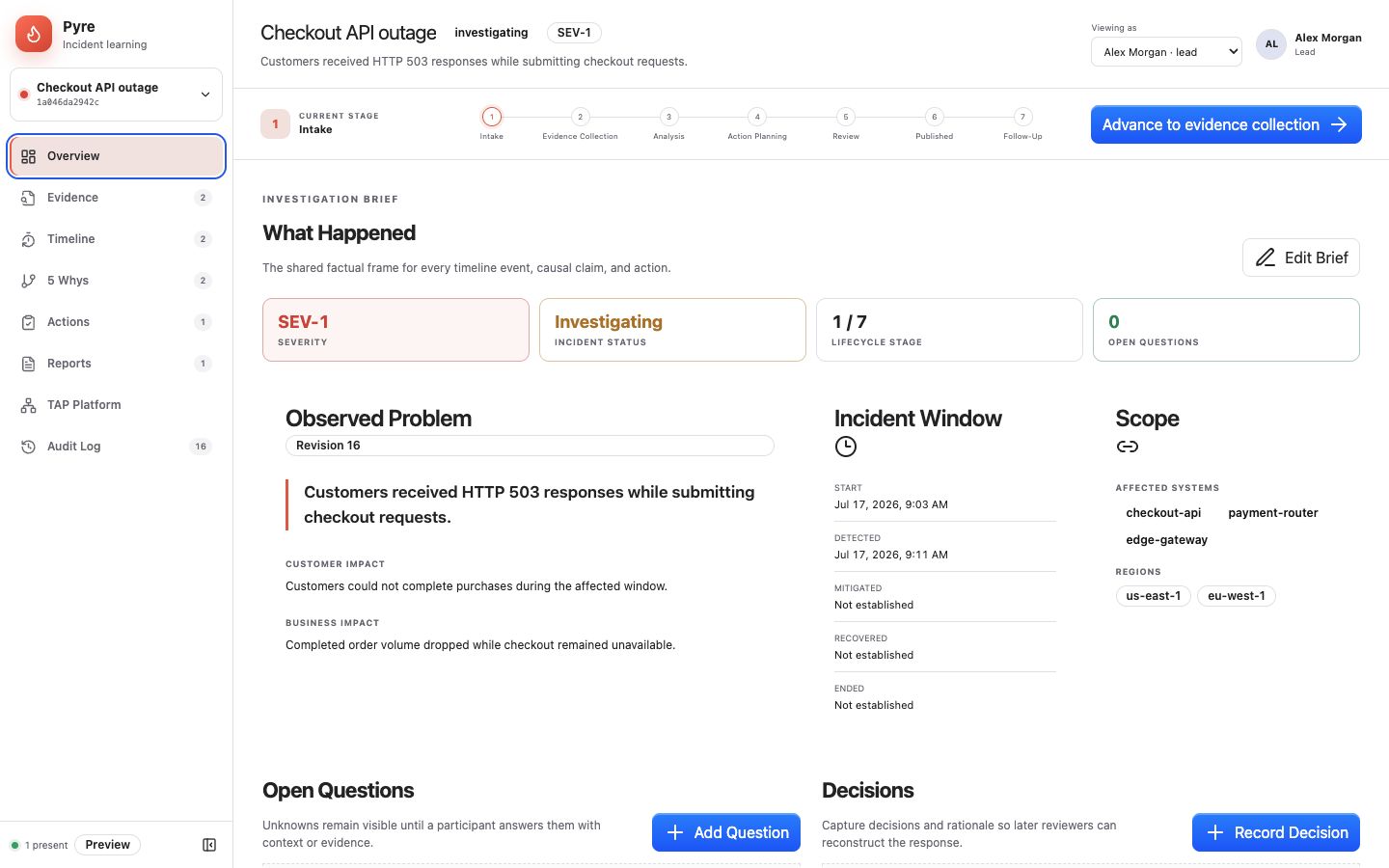
Pyre incident overview for a checkout API outage with investigation stages, impact, scope, and open questions.

Enterprise · Workspace

Pyre

Investigate incidents through an evidence-backed lifecycle from intake to follow-up.

Projects, channels, and VFSCredentials and HTTPSpecialists and workflowsQuickJS MCP

Why it exists: It demonstrates the broadest composition of TAP surfaces in one coherent operating workflow.

See the surface walkthrough →
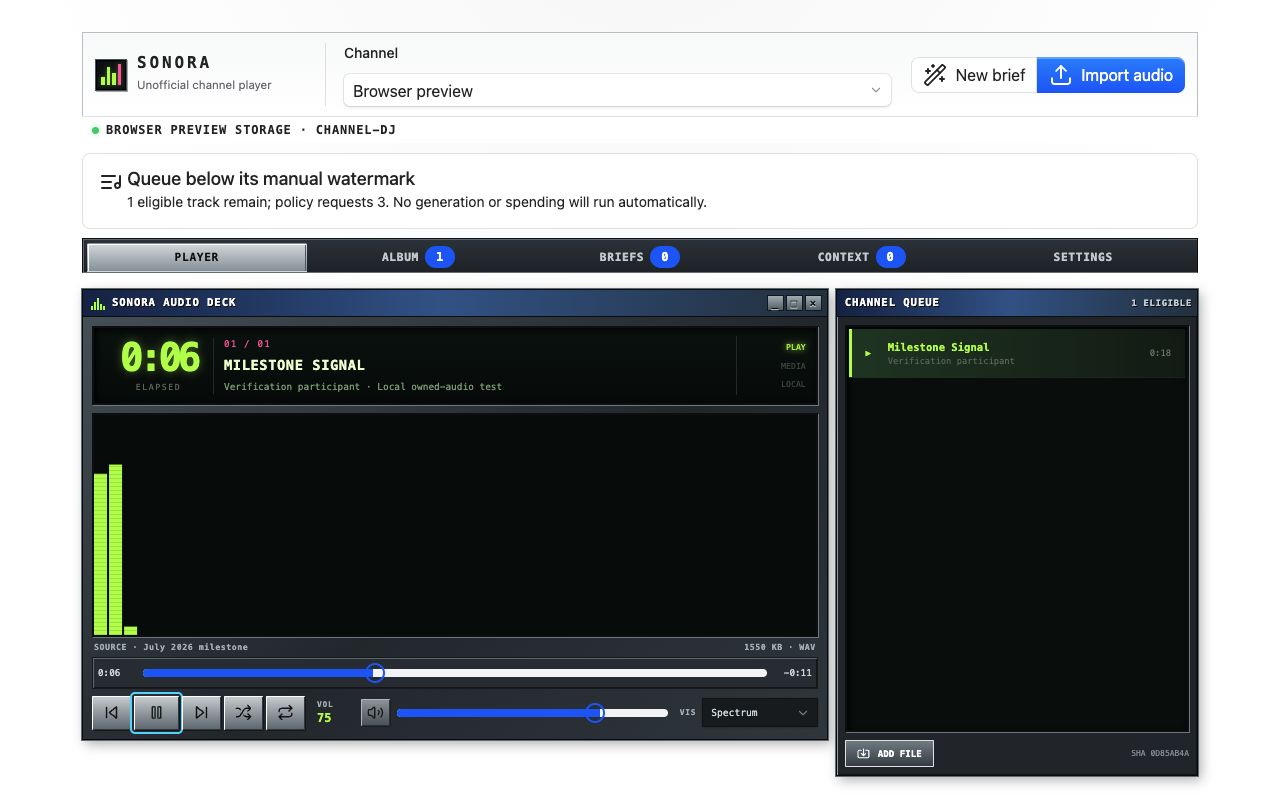
Unofficial Suno Player with a local track playing, a channel queue, and a manual brief action.

Consumer · Workspace

Unofficial Suno Player

Play user-owned channel audio and turn song ideas into governed, reviewable briefs.

Media UIChannel presencePublished eventsWorkflow-host target

Why it exists: It separates harmless local playback from consequential generation work and provider decisions.

Explore the integration →
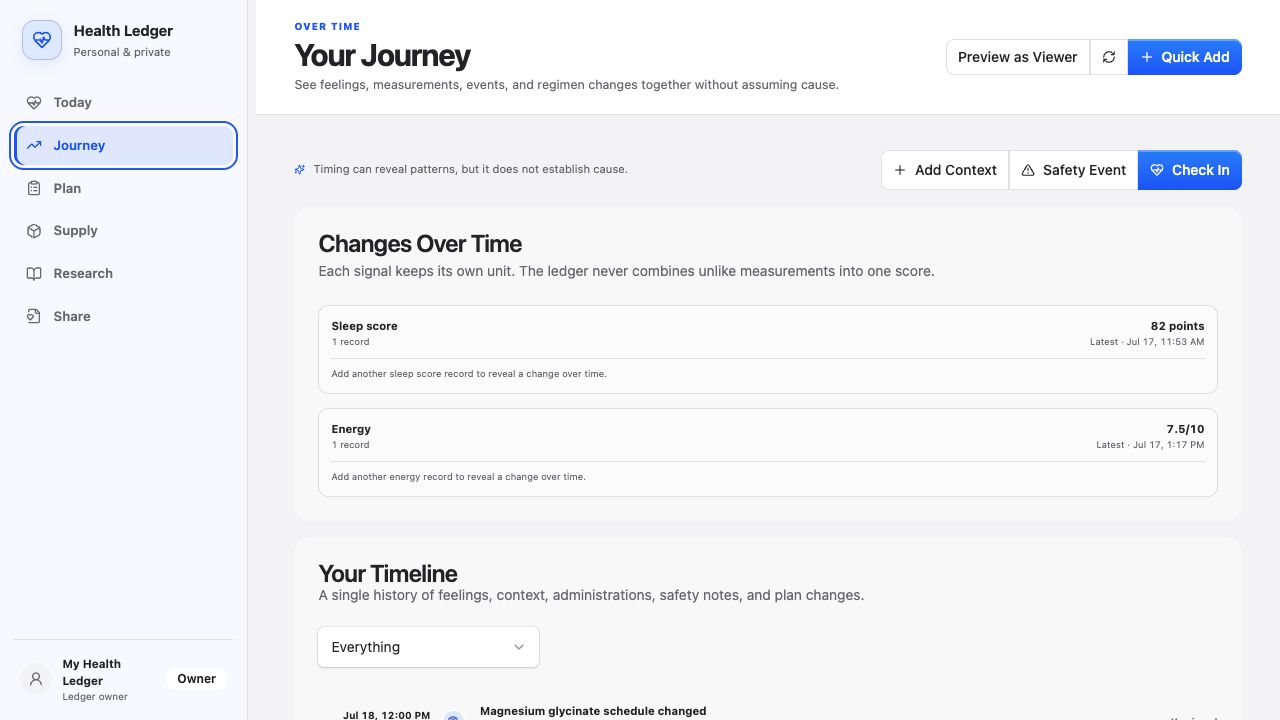
Personal Health Ledger journey view showing health signals over time and a private timeline.

Consumer · User scope

Personal Health Ledger

Keep a private health timeline and prepare evidence-linked summaries for a clinician.

User-scoped storageResearch over HTTPSpecialistQuickJS MCP and VFS

Why it exists: It shows how sensitive personal data can support research and export without turning observations into medical conclusions.

Explore the integration →

Run an Example Locally

Clone the public examples repository, install dependencies, then run one example:

pnpm --filter @tap-examples/family-task-board dev

The command builds the declared package output and watches the project. Link that output directory once from Settings > Miniapps > Local Directory. The AI Platform watches linked directories automatically, so there is no host-side watch setting to enable.